Abalone Embroidery Font Review
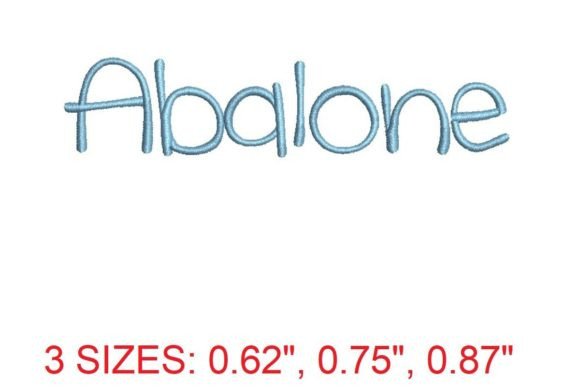
As an embroidery designer with years of experience, I’ve come across countless fonts and designs, but the “Abalone” embroidery font stands out for its elegance and versatility. Designed for both personal and commercial use, this font offers a unique blend of intricate details and smooth curves that can elevate any handmade product or digital design.
First Impressions: Elegance Meets Versatility
The Abalone Embroidery Font immediately caught my eye with its refined aesthetic. The lettering has a soft, flowing character that feels both modern and timeless. It’s ideal for projects that require a touch of sophistication, such as personalized gifts, custom apparel, or embroidered patches. The level of detail is impressive, with delicate curves and subtle flourishes that add visual interest without overwhelming the design.
From a stitching perspective, the font has a natural rhythm that works well with different embroidery techniques. Whether using satin stitch, fill stitch, or running stitch, the Abalone font maintains its clarity and decorative appeal. It’s not too dense, which makes it suitable for smaller hoop sizes and intricate work on curved surfaces like caps or baby items.
Real-World Application: From Tote Bags to Seasonal Gifts
I tested the Abalone Embroidery Font on several real-world projects, including a tote bag design, a sweatshirt, and a baby blanket. On a tote bag, the font added a refined touch that made the item stand out in a crowded market. For the sweatshirt, the font’s smooth curves translated well into a clean, professional look that would appeal to a wide audience.
On a baby blanket, the font’s gentle lines created a soothing visual effect, perfect for a nursery decor piece. The Abalone font also worked well on a kitchen towel, where its detailed strokes added a touch of luxury without being too flashy. For seasonal handmade gifts, the font’s versatility allowed me to create a range of designs that felt cohesive yet distinct.
Practical Considerations: Stitching on Different Fabrics
One of the key challenges when using any embroidery font is how it performs on different fabrics. The Abalone font handles stretchy materials well, but I found that using a proper stabilizer was essential to prevent distortion. On dark fabrics, the font’s fine details were still visible, though I recommend using a contrasting thread color to ensure legibility.
For textured fabrics, the font’s design didn’t get lost in the background, which is a big plus. However, if you’re planning to use the Abalone Embroidery Font on a curved cap surface, be mindful of the hoop size and adjust your settings accordingly. Small lettering can be tricky, so testing on scrap fabric before committing to a final project is always a good idea.
Impact on Product Value and Customer Engagement
The Abalone Embroidery Font can significantly enhance the perceived value of a handmade product. Its elegant appearance adds a level of craftsmanship that customers often associate with high-quality items. This is especially important for Etsy sellers and small business owners who rely on visual appeal to attract buyers.
When it comes to brand consistency, the font’s uniform style makes it easy to incorporate into a broader design system. Whether you're creating a line of custom apparel or a collection of printable mockups, the Abalone font provides a cohesive look that strengthens your brand identity.
For customer engagement, the font’s decorative nature makes it ideal for personalized gifts. A name or message embroidered in Abalone can transform a simple item into a meaningful keepsake. This is particularly relevant during Back To School season, when parents and students are looking for unique, personalized items.
Key Tips for Using Abalone Embroidery Font
- Test on scrap fabric: Always test the font on the actual fabric you plan to use before starting a project.
- Check thread color contrast: Ensure the thread color complements the fabric and highlights the font’s details.
- Review stitch density: The Abalone font isn’t overly dense, but adjusting the stitch density can help maintain its integrity on different materials.
- Confirm hoop size: If working with small lettering or curved surfaces, verify that your hoop size accommodates the design.
- Compare light and dark fabric mockups: This helps ensure visibility and readability in all conditions.
- Use proper stabilizer: Especially important for stretchy or textured fabrics to prevent puckering or distortion.
- Inspect small details after stitching: The font’s intricate design requires careful attention to ensure no elements are missed.
- Confirm file details and licensing: Before selling finished items, double-check the Creative Fabrica product page for file formats and usage rights.
Final Thoughts: A Must-Have for Creative Entrepreneurs
The Abalone Embroidery Font is a valuable addition to any designer’s toolkit. Its combination of elegance, versatility, and practicality makes it suitable for a wide range of projects, from custom apparel to seasonal handmade gifts. Whether you’re an Etsy seller, a craft fair vendor, or a boutique merchandise creator, this font can help elevate your work and attract more discerning customers.
While it may not be the best choice for highly industrialized commercial embroidery, it shines in smaller-scale, artisanal projects where detail and presentation matter. With proper care and attention, the Abalone Embroidery Font can become a go-to design asset for your next creative endeavor.